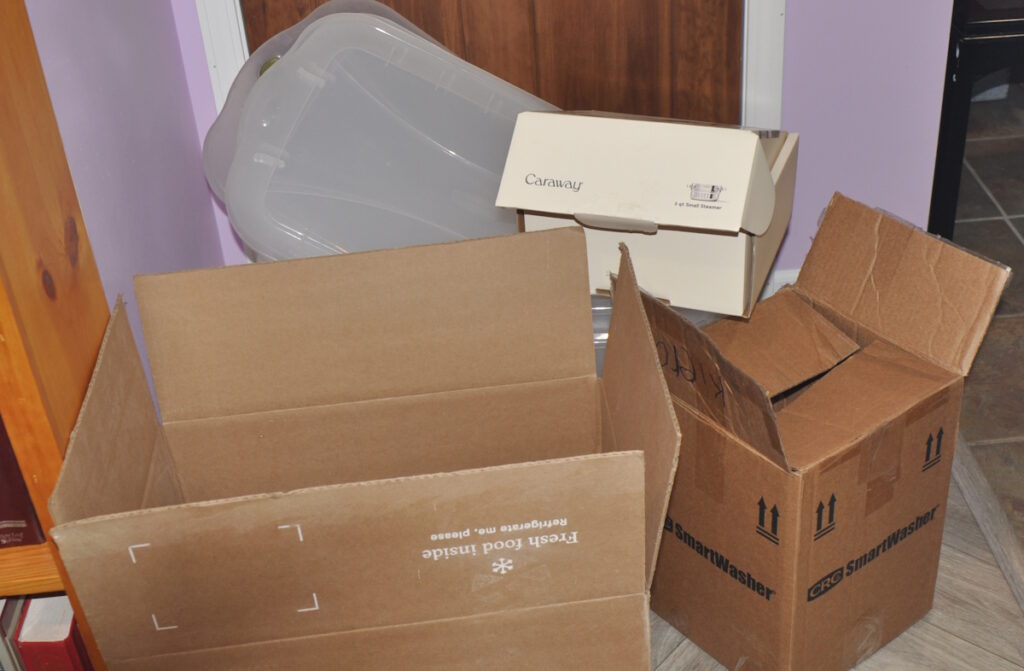



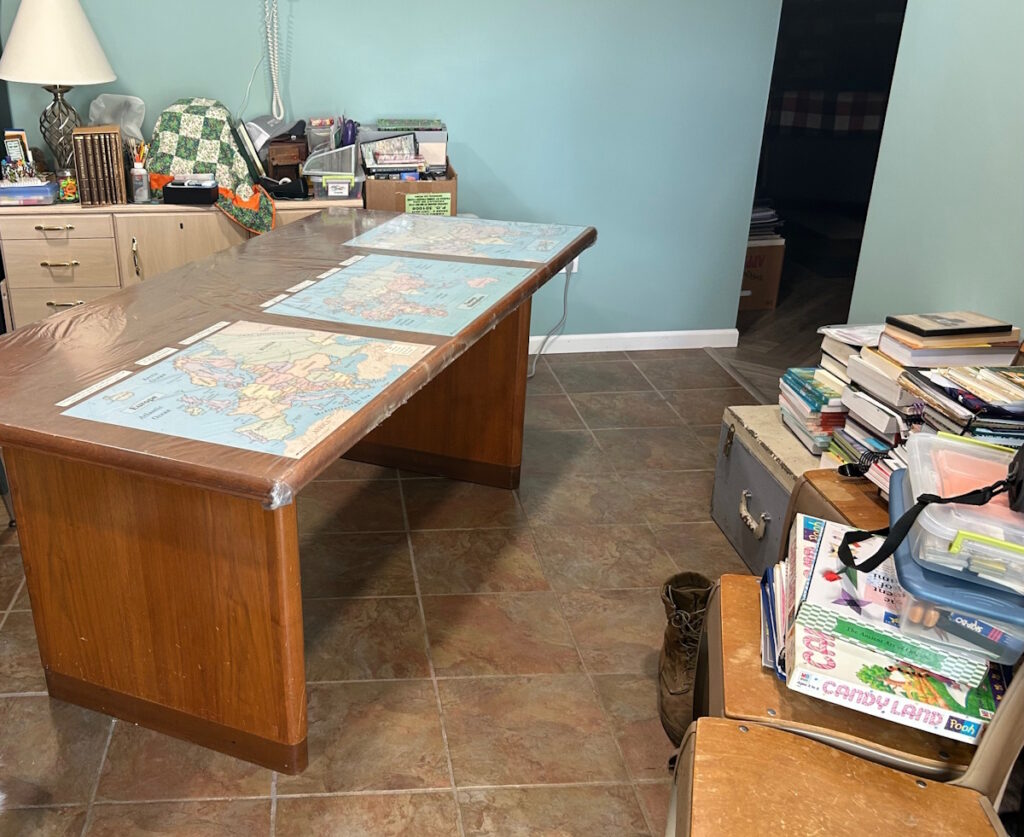
Learning how to have a successful garage sale may take more planning than most poeple think. Walking past the now unused classroom, cluttered with accumulated homeschool materials, craft supplies, and “just in case” items, I envisioned transforming it into a family/game room—a place for relaxation. Even though we moved to our new homestead a mere three years ago, years of accumulated homeschool materials came with us. Some are still packed away in cardboard boxes. Both children are done with school, and this space no longer serves a purpose.
To deal with the overwhelming accumulation of teaching materials, books, manipulatives, and supplies that filled every shelf and corner from boxes to the file cabinet, old school chairs, and containers, the solution seemed obvious: a garage sale. However, I was determined to approach this sale differently than my first overwhelming experience decades ago.
My First Garage Sale: What Went Wrong
That first garage sale still stands out vividly in my memory, though not for the reasons I had hoped. Several church friends and I decided to hold a joint sale. Though I was newly married, my husband had a well-established household, which meant I had plenty to contribute to the sale after I decluttered the house. I was the only one of us ladies who had an enclosed garage, plus I lived in a newer neighborhood on a cul-de-sac—the perfect location. We spent weeks preparing, labeling, and sorting items. However, nobody warned me about what was coming.
By the evening before the sale, exhaustion had already set in. That afternoon, visitors began appearing at my door, wanting me to open early. A neighbor talked me into selling him a camera stand for a third of what I had marked it. Feeling pressured and overwhelmed, I shut the garage door and stopped answering the doorbell.
Then, after dark, a husband and wife came to the door. They told me how they had experienced a fire and were looking for kitchen equipment. Moved by their story, I let them in. I found it strange that they did not really look at the pots and pans but gravitated instead to some very nice china a friend was selling for a reasonable price. They asked if they could have a discount. I had enough presence of mind to say that I could not mark down someone else’s items without their consent. They left in a bit of a huff. Later I discovered that this couple performed this pity routine on a regular basis with people around the area, trying to get antiques for bargain prices. By the time I went to bed, I was frazzled from dealing with people and shaking from exhaustion.
Sale Day Arrives
The next day when we began the yard sale at seven in the morning, people were lined up at the door. It was one wild morning! The sale was successful—we sold many items and made decent money. Then we had to pack up all the items that did not sell and donate them. Despite the financial success, I decided that this garage sale would last me a lifetime. The overwhelming nature of the experience, the constant negotiations, the early-bird shoppers, and the sheer exhaustion left me with no desire to repeat it.
Why I Reconsidered After Decades
However, as the decades have passed and my experiences have changed, I have again been thinking about how to have a successful garage sale this time around. The catalyst is simple and practical: both children have now graduated high school, and I have no reason to keep most of the homeschool items I have used and collected over the past nineteen years. These materials—curriculum, manipulatives, teaching resources, books, and supplies—represent a significant investment of money and careful selection. Simply discarding them or letting them gather dust in storage no longer makes sense.
Selling items can be a refreshing experience, both with clearing out space and adding a little income to the month. However, preparing for a sale can be overwhelming and daunting, especially for those who remember previous exhausting experiences. The difference this time lies in strategic planning and setting realistic boundaries based on lessons learned from that first chaotic sale.
The Psychology Behind Letting Go
Deciding to sell possessions, particularly items tied to meaningful life experiences like homeschooling my children, involves more than practical considerations. Research in consumer psychology reveals that people often experience something called the “endowment effect,” where we assign higher value to items simply because we own them. This psychological attachment makes it challenging to let go of possessions, even when we no longer need them.
Each homeschool textbook, each carefully chosen curriculum guide, and each educational game represents not just money spent but memories created. I can remember my children working through specific lessons, their triumphs when difficult concepts finally clicked, and their creative projects and artistic expressions. These items witnessed our educational journey together. Letting them go requires acknowledging that this chapter has closed, even as I treasure the memories created.
Understanding this emotional dimension helps explain why garage sale preparation feels so daunting. We are not merely organizing objects—we are processing our relationship with possessions that represent time, money, memories, and identity. Recognizing this reality makes the task more manageable because we can separate the memories (which remain with us) from the physical objects (which can serve others now).

How to Have a Successful Garage Sale: Strategic Planning
The key difference between my first sale and having a successful garage sale now lies in strategic planning and firm boundaries. Rather than allowing the sale to control me, I am controlling the sale through thoughtful preparation and realistic expectations.
Deciding What to Sell
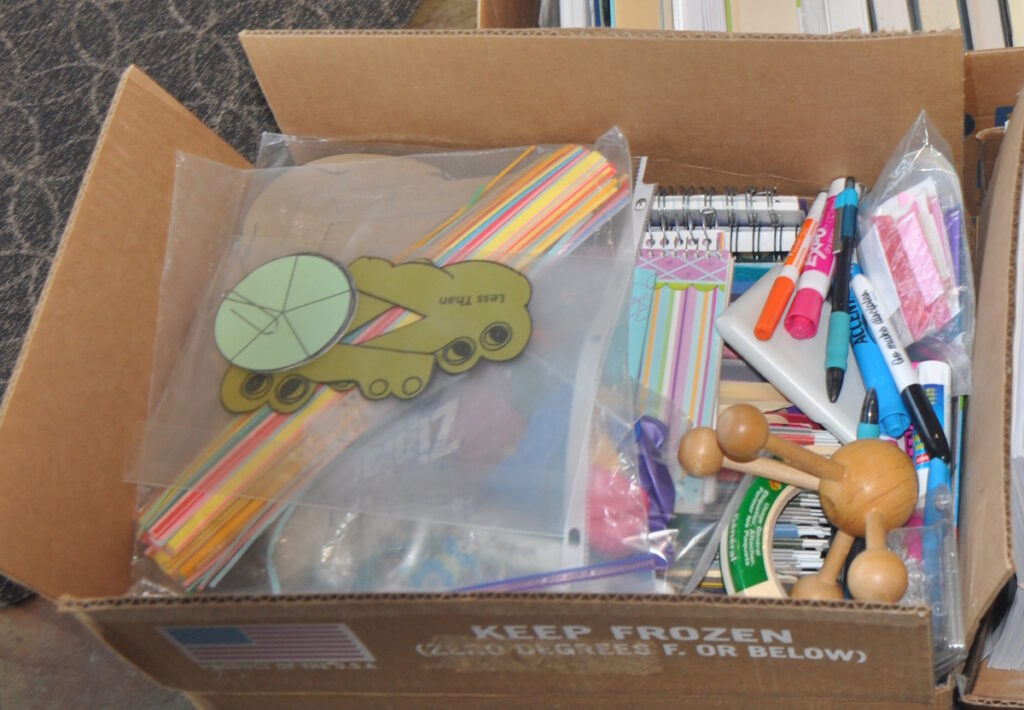
The first step involves making clear decisions about what items you are getting rid of. I used sturdy boxes to gather all the homeschool materials I intended to sell from various locations throughout my home—closets and storage shelves in both the back room and under the stairs. This initial gathering phase reveals exactly what you have accumulated, which can be both shocking and motivating. When my sister saw everything piled up and the new items now in place, she wondered where I could have possibly had so much in such a small space. It is surprising the sheer volume of materials one can collect over two decades of homeschooling.

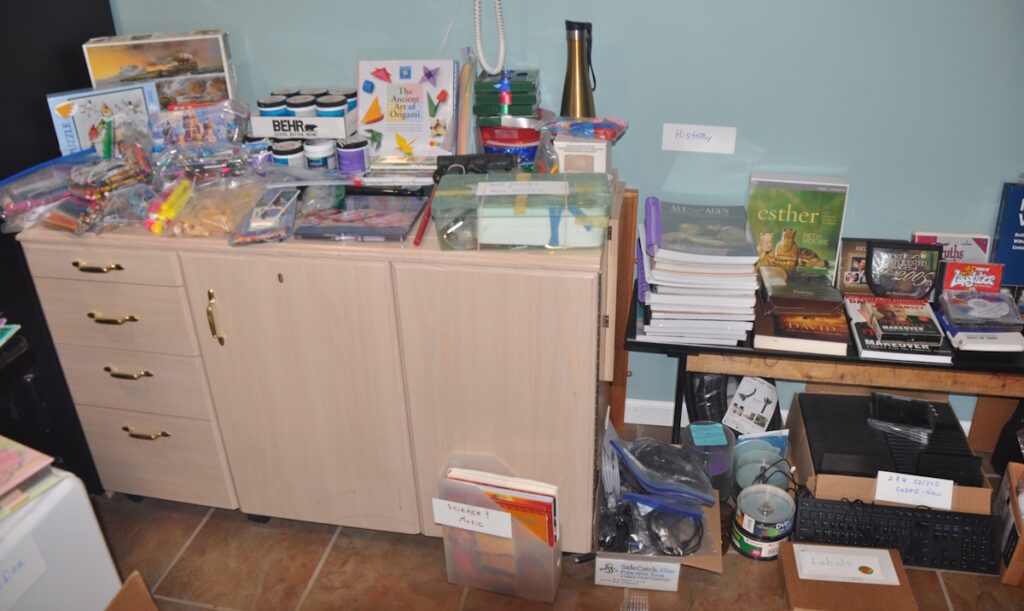
Once everything is gathered in one location, the sorting process begins. This step proved crucial for creating an organized, appealing sale. Rather than randomly mixing items together, sort them into like categories. For example, I organized my homeschool materials into distinct groups: containers and organizational supplies, paper products and consumables, textbooks sorted by subject and grade level, office supplies including pencils, folders, and organizing tools, self-help and parenting books, crafts and art supplies, manipulatives and educational games, and DVDs and CDs.
This categorization serves multiple important purposes. First, it helps you visualize the full scope of what you have. Second, it makes pricing easier since similar items can receive consistent pricing. Third, it creates a more attractive and navigable shopping experience for potential buyers. Research on consumer behavior indicates that organized displays generate significantly more sales than chaotic, jumbled presentations.
The Critical Importance of Staging
One of the most important parts of preparing for a sale is the staging. Similar to selling a house, placing items in a way that is pleasing and easily accessible dramatically impacts both customer experience and sales success. Labeling large groups can also be helpful. I stacked about a dozen curriculum books together, and on the wall above them, I placed a label that said “History.” This helps people to work through or even skip piles so they can look for more of what they are interested in.

Display Techniques by Item Size
Medium items can be displayed in boxes, but presentation matters. Rather than cramming items tightly together, arrange them so each piece can be easily seen and examined. Books should stand upright with spines visible or be stacked neatly with covers showing. Educational games should display their box fronts. Teaching materials should be grouped logically by subject or grade level.
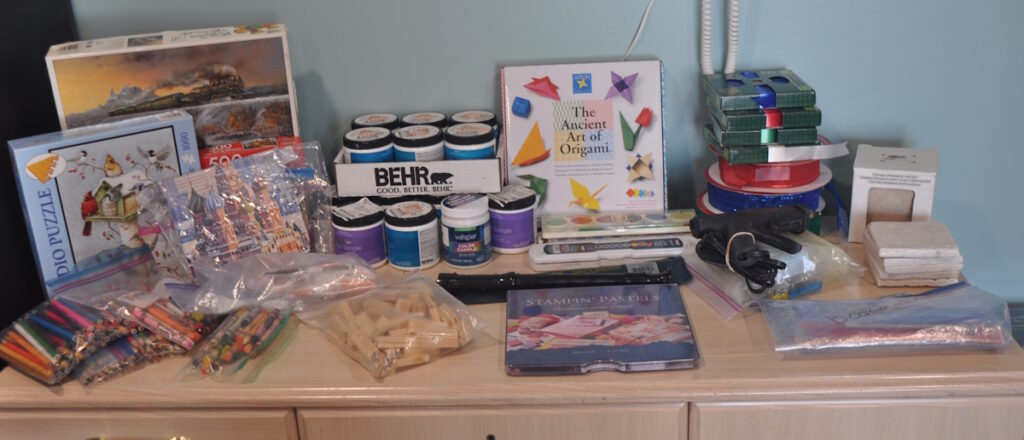
If you have many smaller items like pens, stickers, rubber bands, kitchen tools, or craft supplies, place them out in the open where they can be easily accessed. Use shallow containers, baskets, or organized trays rather than deep boxes where small items disappear from view. I bundled similar small items together—for example, I placed crayons, pens, colored pencils, and markers all into clear bags—making them easier for shoppers to evaluate quickly.
Very large items can be placed around the room or area where they are visible from multiple angles. Position furniture, large equipment, or bulky items around the perimeter of your sale space. Make sure they are clean and presentable. A quick dusting or wiping down significantly increases perceived value.
The Big Box Mistake
One mistake people make is to throw things into a box without organization. Most customers will not take the time to rummage through a big box of miscellaneous stuff, unless it is full of similar items like stuffed animals, books from one genre, or toys for a specific age group. Even then, the container should hold only that one type of item, not a random mixture of unrelated things.
During my first sale, I was thankful to be with experts. They did that very thing where miscellaneous kitchen gadgets were placed onto cookie sheets and metal cake pans on the tables where people could see them clearly. The lesson is simple: visible, organized items sell; jumbled boxes of mystery contents do not.
Pricing Strategy: Balancing Value and Reality
Pricing is one of the most importent elements of a sucessful garage sale. We naturally want to recoup part of our investment, but garage sale shoppers arrive expecting bargains. They typically want to only pay ten or twenty percent of the original retail price for used items in good condition.
For homeschool materials, you may research prices by checking other homeschool sales, browsing online marketplaces for similar curriculum, and considering the condition and age of each item. A textbook that cost forty dollars five years ago might realistically sell for three to five dollars now, depending on condition and whether it remains current. This reality requires accepting that value lies in finding your used materials a new home where they will be used and appreciated, not in recovering money spent.
Price items clearly and consistently. Use stickers, tags, or category pricing (“all paperback books fifty cents”) to make prices immediately visible. Unclear or missing prices frustrate shoppers and slow down transactions. During my first sale, we had so many kitchen gadgets that we made a sign “$1 each or two for $1.50.” This helped people to see more bargains and move our enormous pile of kitchen tools.
Setting Boundaries: Learning from Experience
My first sale taught me painful lessons about the importance of boundaries. This time, I am implementing several firm policies based on that experience.
No Early Bird Access
Do not answer the door or engage with people who arrive before the advertised start time. That neighbor who pressured me into selling the camera stand cheaply taught me this lesson. Early-bird shoppers often want first pick of valuable items and may use various tactics—claiming they cannot return during sale hours, offering lowball prices, or simply being persistent—to gain early access. A simple “No, the sale starts at the advertised time” protects both my sanity and my inventory.
Clear Communication About Times
Next, be sure to clearly announce your sale times. For my homeschool materials sale, I am actually going to have an open house for three days over the weekend for two hours each day to help accommodate homeschool families that I know in our community. This approach offers several advantages over a traditional all-day garage sale.
First, it creates a more relaxed, focused atmosphere. Shoppers are not rushed or competing with crowds. Second, it allows me to limit my hours, preventing the complete exhaustion that overwhelmed me during my first sale. Third, it targets the specific audience most likely to appreciate and purchase my specialized items. Finally, it builds community connections with fellow homeschooling families who might become friends or mutual support.
Marketing Your Sale Effectively
Even perfectly organized sales fail if nobody knows about them. Marketing matters, regardless of sale size. For my homeschool materials, I am taking a targeted approach rather than broad public advertising.
Contact homeschool support groups in the area, post on homeschool-specific Facebook groups and online communities, reach out personally to homeschooling friends who might be interested, and create a simple flyer with dates, times, and general categories of materials available. This focused marketing ensures the right audience—families who genuinely want and will use these educational materials—learns about the sale.
For more general garage sales, broader marketing makes sense. Traditional methods include signs posted at major intersections, neighborhood social media groups like Nextdoor, Craigslist or Facebook Marketplace listings with photos, and word-of-mouth announcements to neighbors and community groups.
Managing Sale Days: Protecting Your Energy
Maintaining your energy is essential to having a successful garage sale. They are physically and emotionally exhausting. Standing for hours, interacting with dozens of people, handling transactions, and maintaining awareness of your inventory and cash drains energy quickly. My first sale left me shaking with exhaustion because I had not anticipated the toll or prepared to manage it.
Consider implementing strategies to protect your energy. By limiting sale hours to two hours per day over three days, you prevent the marathon exhaustion of an all-day event. Enlist help from family members or friends to share the workload. Keep healthy snacks and water readily available. Most importantly, accept that you cannot control every interaction or outcome—some people will haggle, some will criticize prices, some will be wonderful, and that variety is simply part of the experience.
Handling Difficult Situations
The couple with their fabricated house fire story taught me to be appropriately cautious without becoming cynical. While most garage sale shoppers are honest people looking for bargains, some use manipulative tactics. Emotional appeals for deep discounts, attempts to shortchange during transactions, and distractions while items are stolen all occur at garage sales.
Protect yourself by keeping cash secured in a fanny pack or locked box, being cautious about excessively complicated transactions, never leaving your cashier station completely unattended, and trusting your instincts when something feels wrong. You can be kind and personable while still maintaining appropriate boundaries and business practices.
The Endgame: Dealing with Unsold Items
Even successful sales leave unsold items. Planning for these leftovers prevents them from simply migrating back into storage. I have already identified several options for my unsold homeschool materials.
Local homeschool co-ops often accept curriculum donations for their libraries or resource rooms. Charitable organizations like Goodwill or the Salvation Army will take educational materials. Online “Buy Nothing” groups or neighborhood sharing platforms offer items to families who specifically want them. Some materials might sell better online through homeschool-specific marketplaces or Facebook groups.
Having a clear plan for unsold items—and committing to execute that plan immediately after the sale—prevents the common trap of repacking everything and returning it to storage “until next time.”

The Deeper Benefits of Selling
The obvious benefit of a garage sale is financial—exchanging unwanted items for cash. However, deeper benefits often prove equally valuable. Clearing physical space creates a sense of order and peace in your home. Research demonstrates that cluttered environments increase stress and decrease productivity, so eliminating excess possessions genuinely improves well-being.
Finding new homes for items you value brings unexpected satisfaction. Knowing that the curriculum that served my children well will now educate other children creates a sense of legacy and connection. These materials will continue serving their purpose rather than languishing unused in my storage room. That continuation matters more than the financial return.
The process of preparing for and conducting a sale also provides closure on a significant life chapter. Sorting through homeschool materials allowed me to reminisce about my children’s educational journey, appreciate what we accomplished together, and consciously acknowledge that this phase has ended. That emotional processing holds value beyond any practical benefit.
Embracing the Experience with Wisdom
My journey from that overwhelming first garage sale to my current thoughtfully planned approach reflects accumulated wisdom and realistic expectations. Yes, that first sale was successful financially—we sold many items and made decent money. But the chaos, exhaustion, and stress made me vow never to repeat it. Now, decades later, I understand that the problem was not the garage sale itself but rather my approach to it.
Hopefully this article can give you some practical tips and inspiration for conducting your own sales. Whether you are contemplating your first garage sale or reconsidering after a difficult previous experience, approaching how to have a successful garage sale with stretgic planning, clear boundaries, and realistic expectations transforms it from an overwhelming ordeal into a manageable and even rewarding experience.
The key lies not in perfection but in thoughtful preparation and willingness to let go of items that no longer serve a purpose in your life. By deciding clearly what to sell, sorting into logical categories, staging items attractively, pricing realistically, marketing to appropriate audiences, setting firm boundaries about times and negotiations, and planning for unsold items, you create the conditions for success.
My upcoming homeschool materials sale represents not just cleared storage space or supplemental income but also a conscious transition into a new life phase. Just as I’ve learned to embrace simplicity in other areas, this sale is another step toward intentional living. And I will have both physical space and emotional freedom to embrace whatever comes next.